
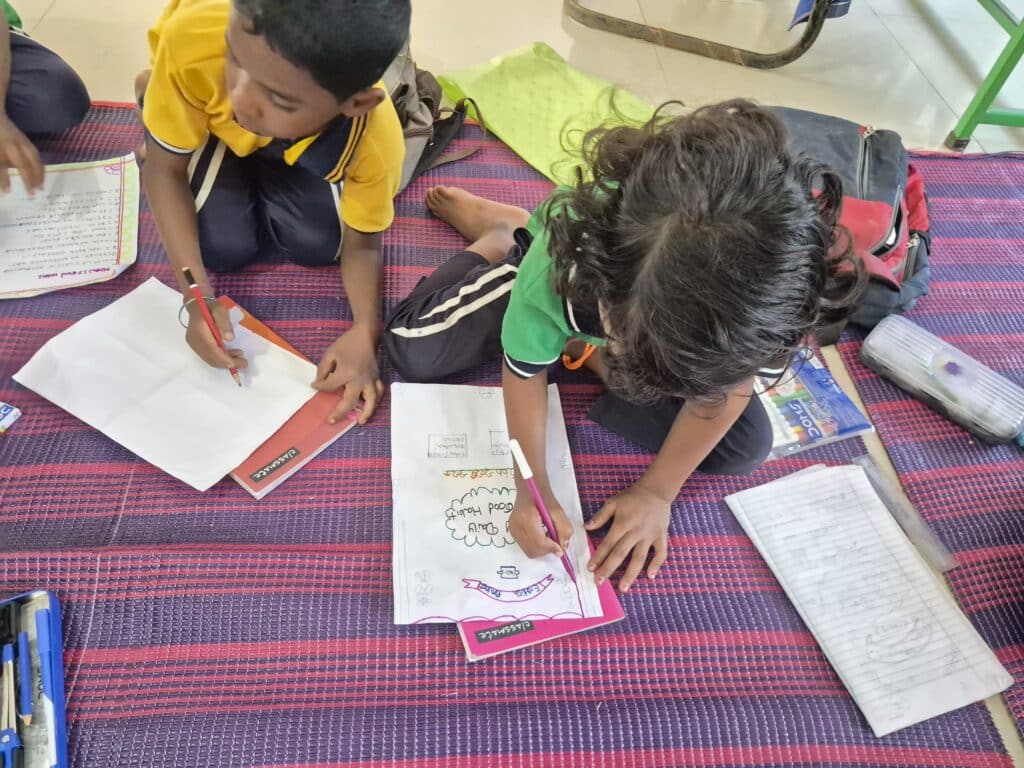
Little hands, little projects, and a lifetime of learning.
By Reena Rani Dehuri | Parents’ Corner
Dear Parents,
Have you ever felt a little worried when your child comes home with a project assignment?
“Mummy, my teacher has asked me to make a project!”
And suddenly, so many questions come to mind.
What materials will we need? How much will it cost? Who will make it? And where will we find the time?
Sometimes you may even wonder, “Why do schools give project work? Isn’t reading, writing, and completing homework enough?”
I can understand your feelings.
As a primary school teacher, I know that parents have many responsibilities. Some of you work throughout the day, some manage households, and many have limited time and resources.
But today, I want to share something close to my heart.
Project work is not simply an extra school assignment. It is an opportunity for your child to learn by doing.
And sometimes, the learning that happens during a project is more valuable than the finished project itself.
What Does Your Child Really Learn from a Project?
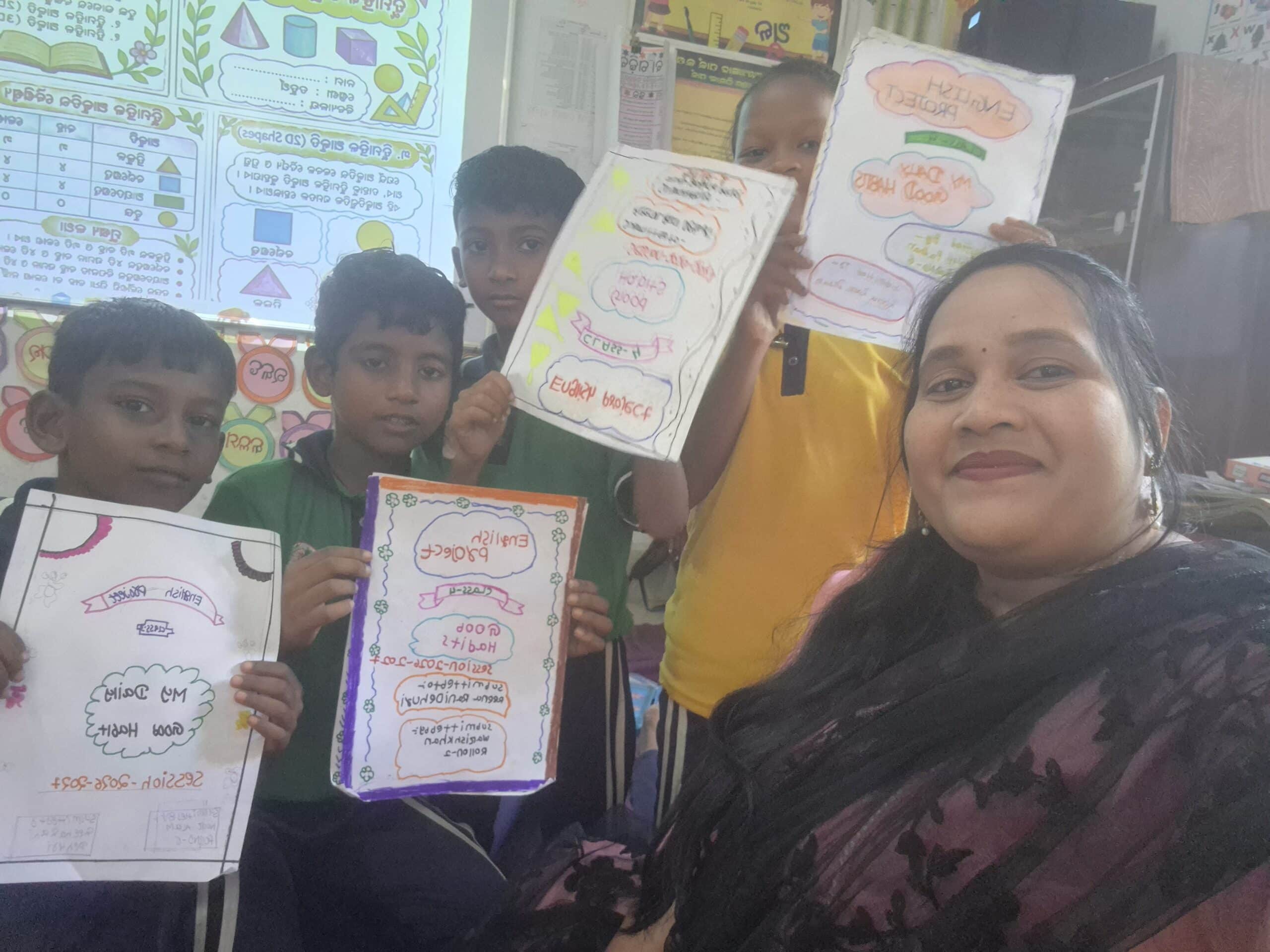
Imagine your child making a small cardboard house.
First, they think about its shape. Then they measure, cut, fold, arrange, and paste the pieces.
Perhaps the roof doesn’t fit properly.
Perhaps the walls fall down.
Your child tries again.
Finally, the little house stands!
To us, it may look like an ordinary handmade model.
But think about what your child has experienced.
They have observed, planned, made decisions, used their hands, solved problems, and learned from mistakes.
They have also experienced the happiness of creating something independently.
Isn’t that meaningful learning?
Now imagine an adult making the entire project.
The model might look beautiful, but the child may miss many of those learning opportunities.
The real value of project work is not how beautiful the project looks, but how much the child learns while making it.
Why Our New Curriculum Gives Importance to Practical Learning
Dear Parents,
You may have noticed that the way children learn in schools is gradually changing.
The Odisha Curriculum Framework for School Education 2025 (OCF-SE 2025) reflects a greater emphasis on meaningful, experiential, activity-based, and competency-based learning.
These words may sound a little complicated, but the idea is simple.
We want children not only to remember answers but also to understand concepts and use their knowledge in everyday situations.
For example, a child may learn the names of different shapes from a mathematics textbook.
But when the child identifies shapes in household objects or creates a simple model, the lesson becomes more meaningful.
Similarly, reading about plants is important. But planting a seed, observing its growth, and recording changes can help children connect their learning with real life.
Project work is one useful way to support this approach.
It can encourage children to observe, explore, communicate, create, and solve problems.
This does not mean every lesson requires a big model or an expensive project.
Even a small observation activity, a drawing, a simple survey, or a handmade chart can become a meaningful learning experience.
Our aim is not to give children more work. Our aim is to help them learn better.
Even Toddlers Can Learn Through Little Projects
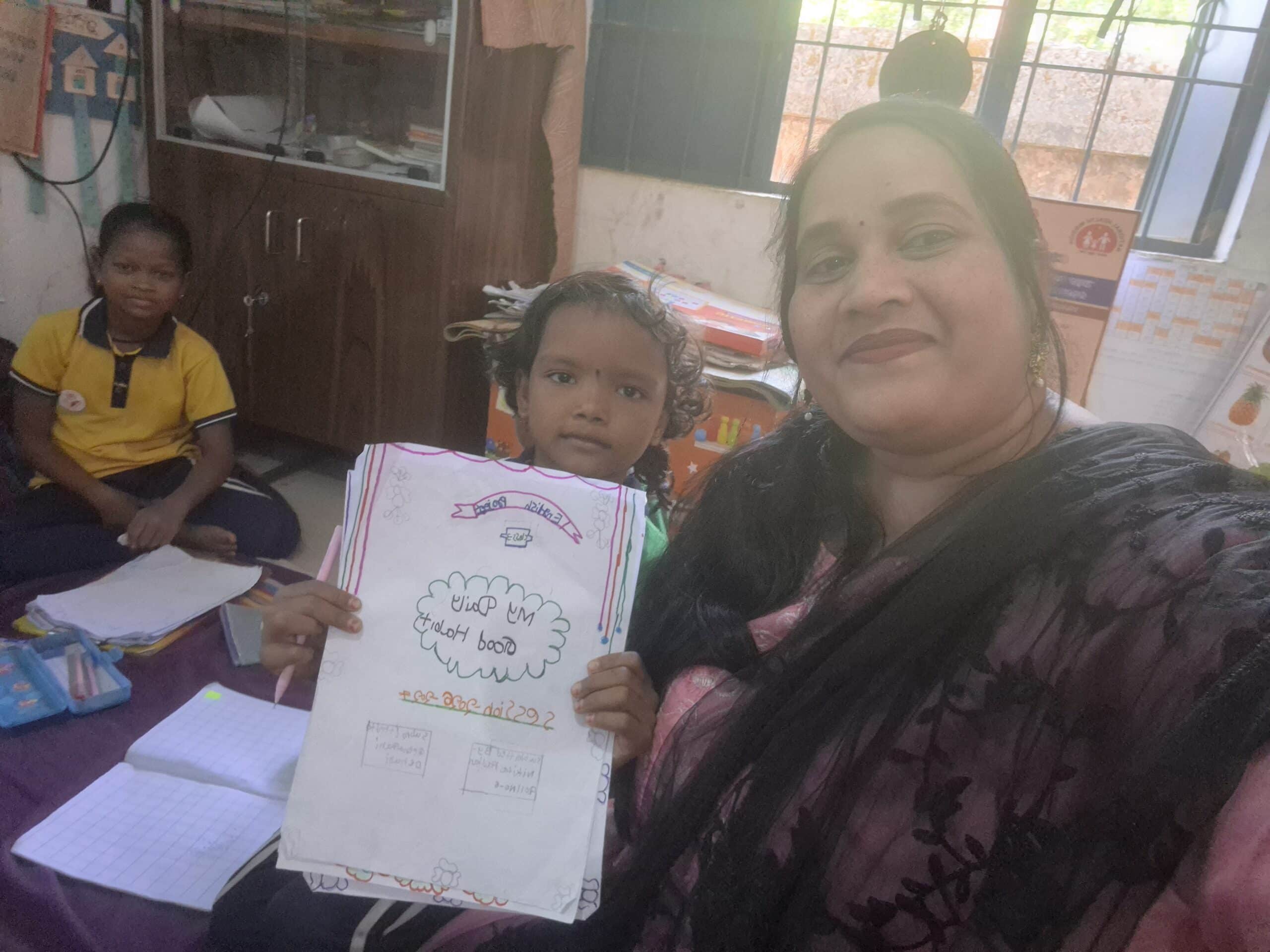
You may wonder whether project activities are necessary for very young children.
Of course, toddlers do not need complicated models or written reports.
For them, learning should happen naturally through play and exploration.
Sorting large, safe objects by colour, pasting paper shapes, exploring different textures, or collecting leaves with an adult can become enjoyable learning activities.
These experiences can support observation, coordination, curiosity, and early thinking skills.
For preschool children, simple activities such as making a family picture, arranging objects by size, or creating a weather chart can encourage communication and creativity.
The purpose is not to produce something perfect.
It is to let children explore their surroundings with interest and confidence.
And remember, activities for very young children should always be safe, age-appropriate, and supervised.
One Project Can Teach Many Things
One of the things I appreciate about project work is that a single activity can connect different subjects.
Imagine your child preparing a small project about a vegetable market.
They may count vegetables, compare prices, identify colours, write names, draw pictures, and talk about healthy food.
Without even realising it, they are using mathematics, language, environmental awareness, and creativity.
A family tree project can encourage communication and understanding of relationships.
A weather chart can develop observation and recording skills.
A simple model of a house can involve shapes, measurement, planning, and problem-solving.
This is why project work can be such a useful part of learning.
It helps children understand that knowledge is not limited to the pages of a textbook.
Please Don’t Worry About Making It Perfect
Dear Parents,
I want to share one small request.
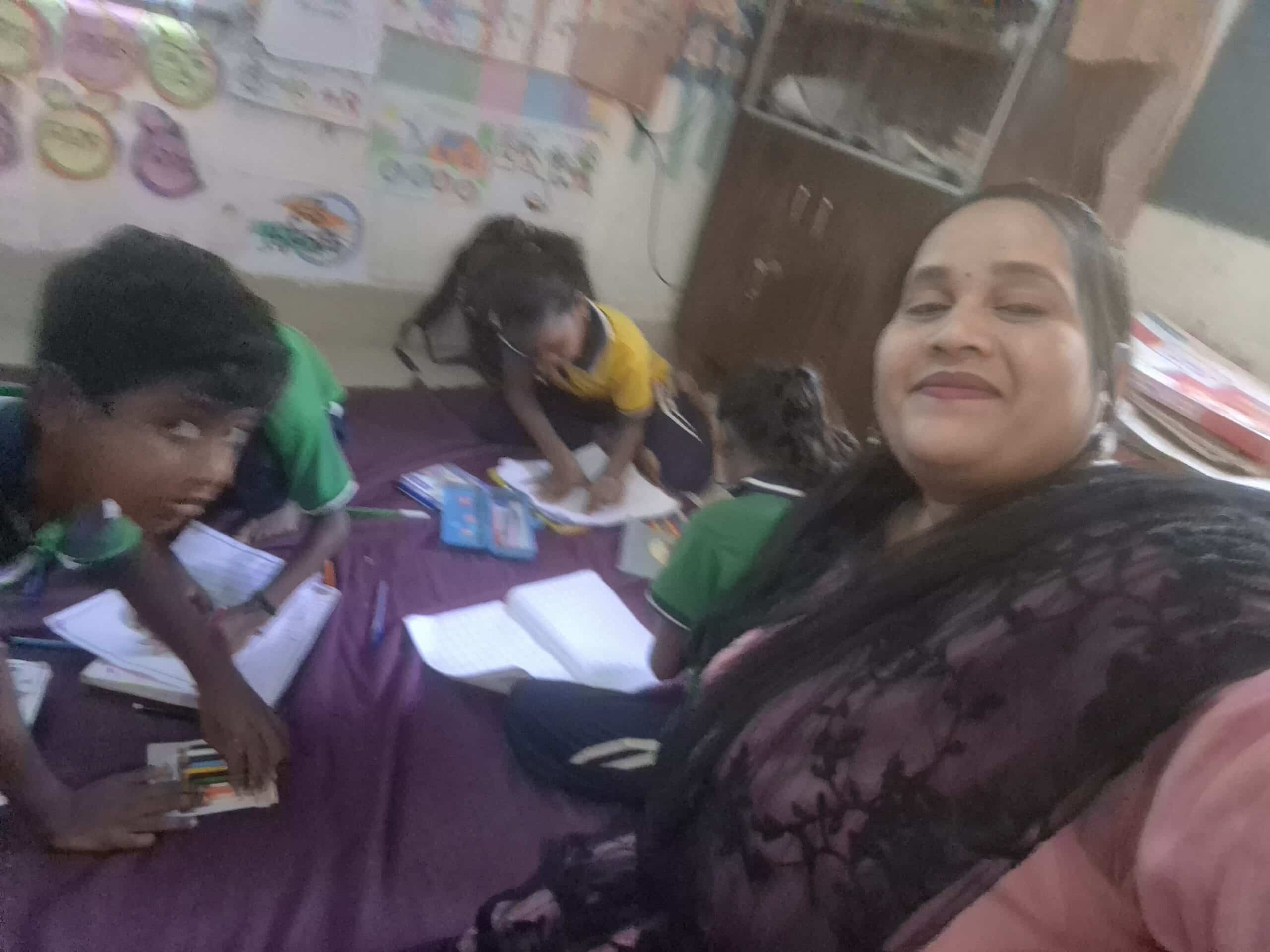
Please don’t worry if your child’s project is not very beautiful.
It is perfectly fine if the colouring is uneven.
It is fine if the handwriting is not neat.
It is fine if the cardboard house looks a little crooked.
These imperfections may show that your child has genuinely tried.
Sometimes, because we want our children to do well, we complete their projects ourselves.
I understand that intention.
But when adults do everything, children lose the chance to think, experiment, make mistakes, and learn.
Instead, let your child do whatever they can manage.
You can explain instructions, arrange materials, and help with difficult or unsafe steps.
But give them the freedom to create.
An imperfect project made by your child can be more meaningful than a perfect project made entirely by an adult.
Project Work Does Not Need Expensive Materials
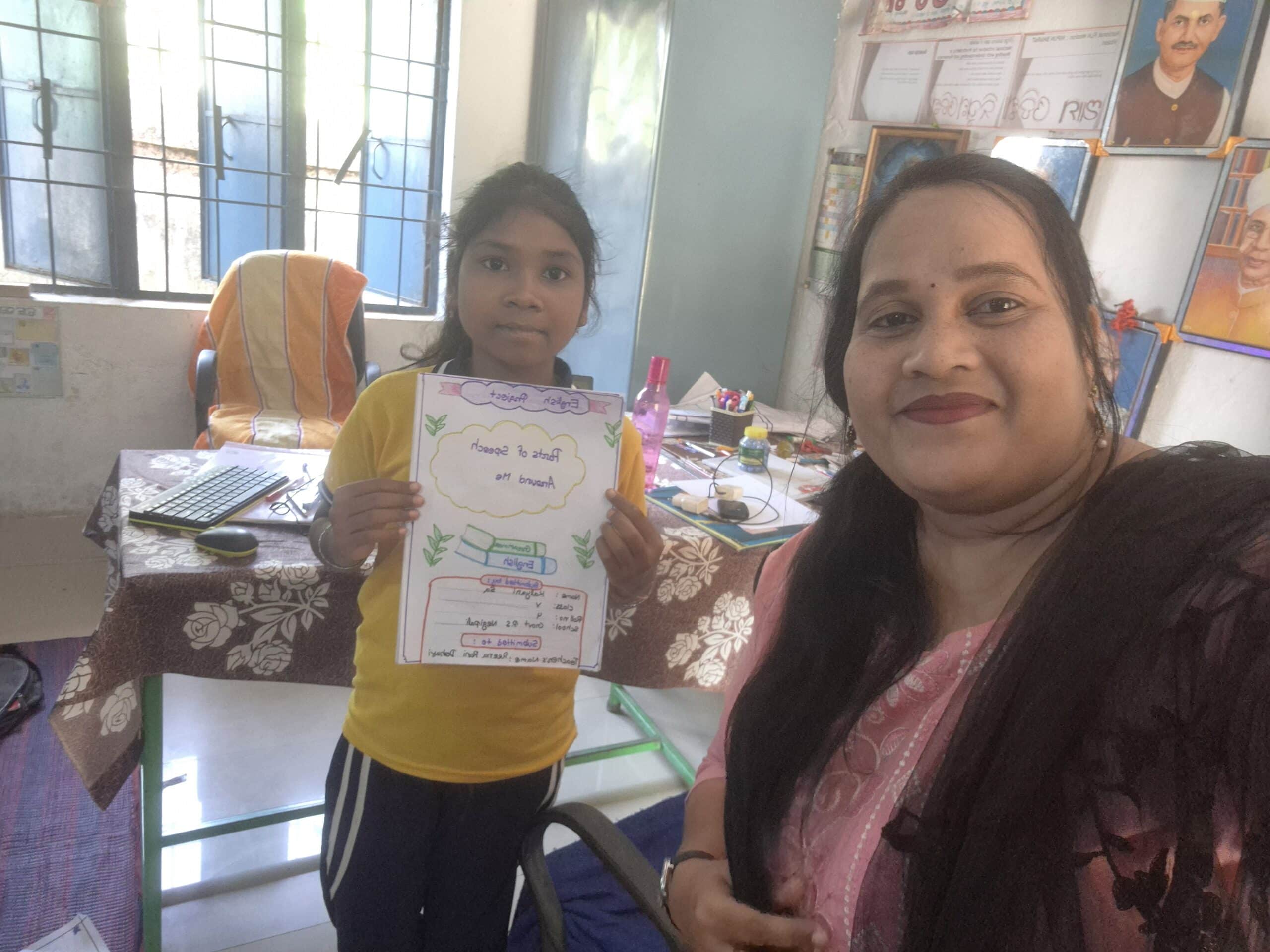
Another common concern is the cost of project work.
But meaningful projects do not always require colourful kits, expensive craft materials, or ready-made models.
Look around your home.
Old newspapers, cardboard boxes, paper scraps, leaves, seeds, and other safe everyday materials can become useful learning resources.
A cardboard box can become a house.
Paper shapes can become a mathematics activity.
Leaves can help children compare shapes and sizes.
A notebook can become a plant observation diary.
A project can even involve interviewing family members, observing the weather, drawing a map, or recording daily activities.
As a teacher working in a rural school, I understand how important it is to keep learning activities simple and affordable.
A child’s opportunity to learn should never depend on how much money their family can spend.
Your Support Matters More Than Your Skills
Sometimes parents feel they cannot help because they are not good at drawing, craft, or making models.
But dear parents, you do not need to be an expert.
Your role is not to make a perfect project.
Your role is to encourage your child.
Instead of saying, “Move aside, I’ll do it,” try asking:
“What do you think we should do first?”
“Can you try this yourself?”
“What happened when you joined these pieces?”
“Shall we try another way?”
These simple questions encourage children to think.
Even sitting beside your child for a few minutes and listening to their ideas can make a difference.
And if you are too busy to help, please don’t feel that you have failed.
A well-designed school project should allow children to complete meaningful parts independently or in the classroom.
Teachers and parents can work together to make activities manageable.
Project Work Is Not a Replacement for Reading and Writing
I also want to make something clear.
Project work does not mean children should stop practising reading, writing, and mathematics.
These foundational skills are extremely important.
Project activities should support classroom learning, not replace it.
Not every chapter needs a model, and not every project needs decoration.
Sometimes a simple observation, experiment, drawing, or discussion is enough.
A meaningful project should match the child’s age, connect with what they are learning, and give them an opportunity to participate actively.
Children also need time for rest, play, and family life.
Learning should be enjoyable, not exhausting.
The Happiness Behind a Handmade Project
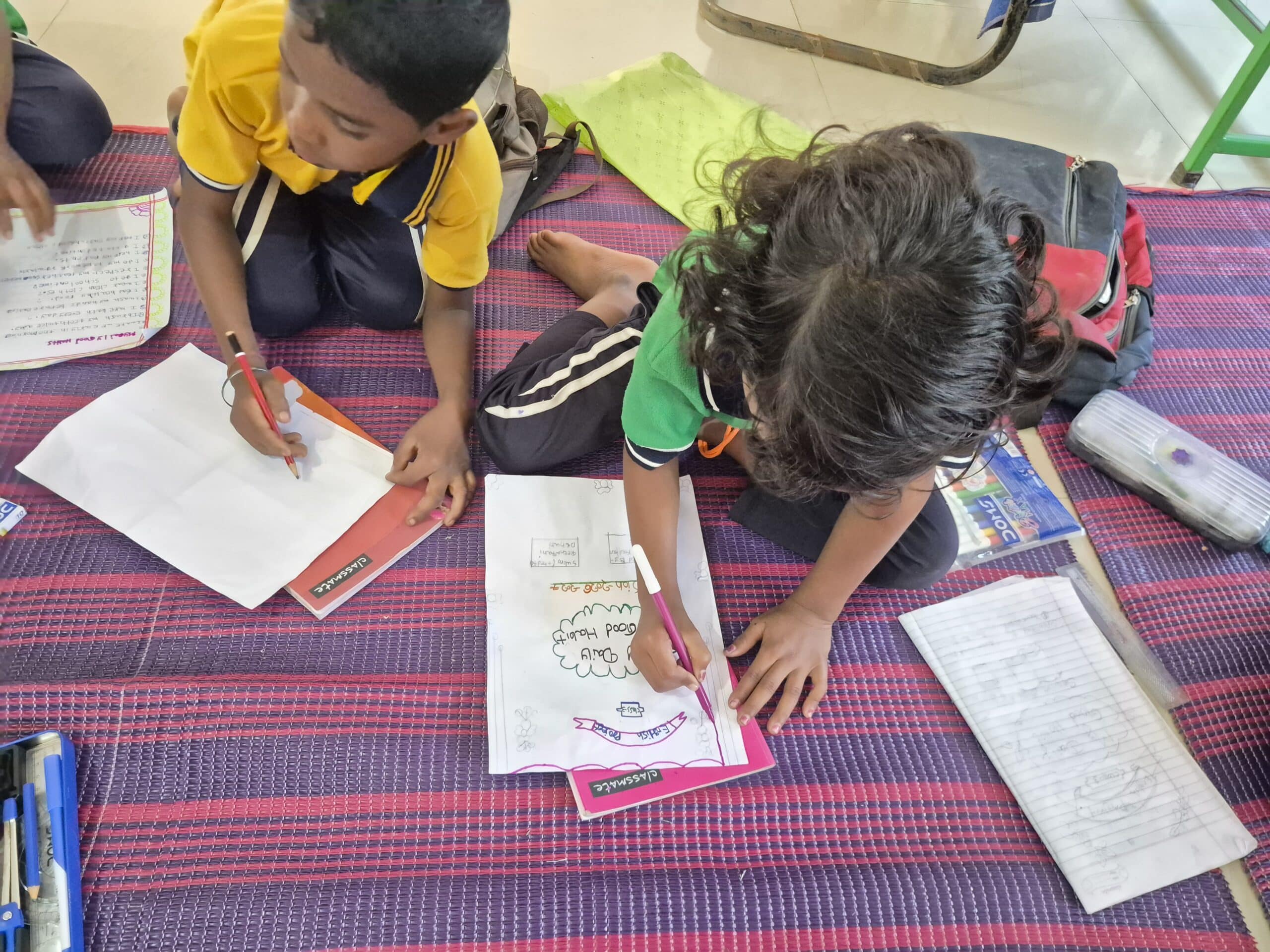
As a teacher, one of the moments I enjoy is seeing a child proudly show something they have created.
“Guruma, look! I made this!”
Perhaps the drawing is simple.
Perhaps the model is not very neat.
But the excitement in the child’s voice tells us something important.
The child has tried.
The child has created something.
And most importantly, the child feels proud of that effort.
When we appreciate these little achievements, we encourage children to keep trying.
They begin to believe, “I can do something by myself.”
That confidence matters far beyond one school project.
One Small Request from a Teacher
Dear Parents,
The next time your child comes home with a project assignment, please don’t immediately think about its cost, decoration, or final appearance.
Instead, ask:
“What will my child learn from this?”
If the project seems too difficult, expensive, or time-consuming, please speak with the teacher.
We teachers also have a responsibility to choose meaningful, age-appropriate, and affordable activities.
Our goal should never be to create unnecessary work for parents.
Our goal should be to help children learn.
And when teachers and parents understand this purpose together, project work becomes much more valuable.
Before You Put That Little Project Away…
One day, while cleaning a cupboard, you may find an old handmade project.
A paper flower with uneven petals.
A little cardboard house.
A drawing with crooked lines.
Or a colourful chart with your child’s early handwriting.
It may not look special to anyone else.
But perhaps you will remember the evening your child sat beside you, carefully trying to make it.
The little questions.
The mistakes.
The laughter.
And finally, that proud smile.
“Mummy, I made this!”
That is the beauty of project work.
It creates opportunities for children to learn, explore, and believe in themselves.
So, dear parents, the next time your child brings home a project, don’t think only about what needs to be submitted.
Think about what your child might discover along the way.
Because behind those little hands cutting, folding, drawing, and creating, there is a young mind learning to think, explore, and grow.
And that, to me, is worth much more than a perfectly decorated project.
With warm wishes to every parent,
Reena Rani Dehuri
Primary School Teacher, Odisha
Explore & Learn with Reena
reenaranidehuri.com
Explore More Project Work
Explore Project Products · Optional material ideas for parents.
View Project Documents · Find school projects and their available documents.
Find class-wise project ideas and sample work in our Project Work Corner. Also read a teacher’s experience, a parent’s guide, and a child-friendly project guide.
Materials: Start with reused cardboard, paper, pencils and safe household items. Optional shopping resources will be added only after affiliate links are verified.