
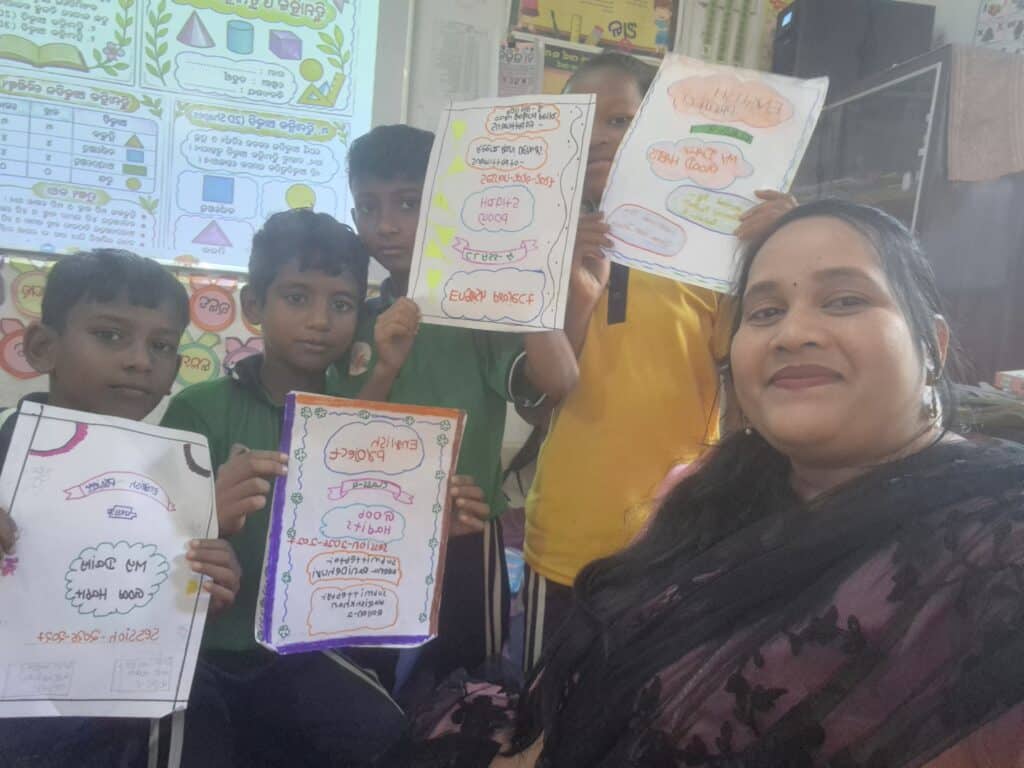
Some little experiences from my journey as a primary school teacher
By Reena Rani Dehuri | Teachers’ Corner
A Small Question That Often Comes to My Mind
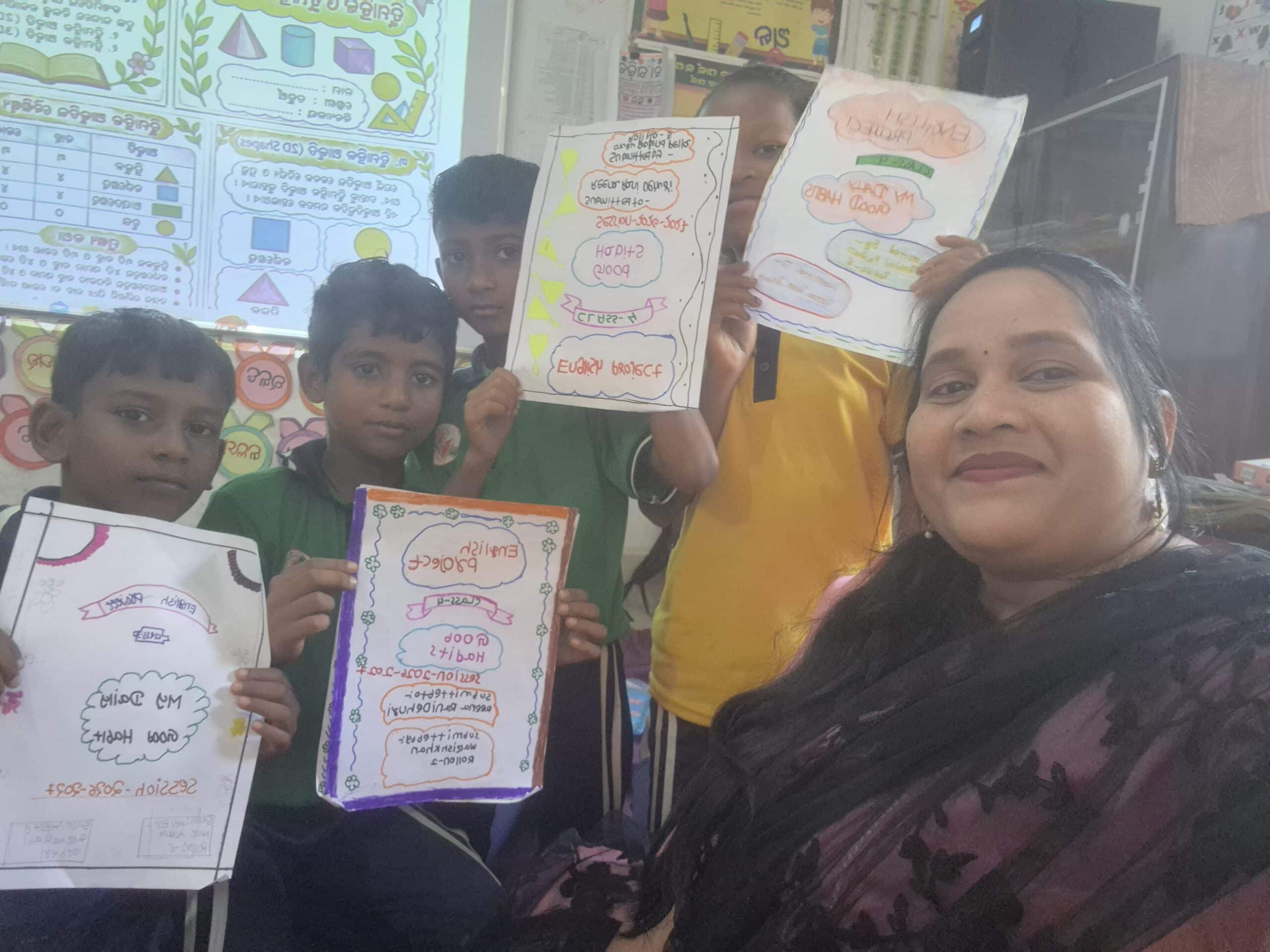
Have you ever seen a child proudly holding a handmade project?
Maybe the paper is not cut properly. The colours are outside the lines. The letters are not very neat. And perhaps the model looks completely different from what we expected.
But look at the child’s face.
That little smile! That excitement!
“Guruma, look! I made this!”
For me, these small moments are among the most beautiful parts of teaching.
After nearly twenty years in this profession, I have come to believe that children learn so much more than what we teach them from textbooks.
They learn when they touch, observe, ask questions, make mistakes, laugh, try again, and finally create something on their own.
And this is one of the reasons I love project work.
But I have also noticed something.
Not everyone feels the same way about it.
Sometimes project work is seen as extra homework, unnecessary expense, or simply a waste of time.
And I often wonder, are we looking only at the finished project and forgetting what a child experiences while making it?
Sometimes the Smallest Activities Teach the Biggest Lessons
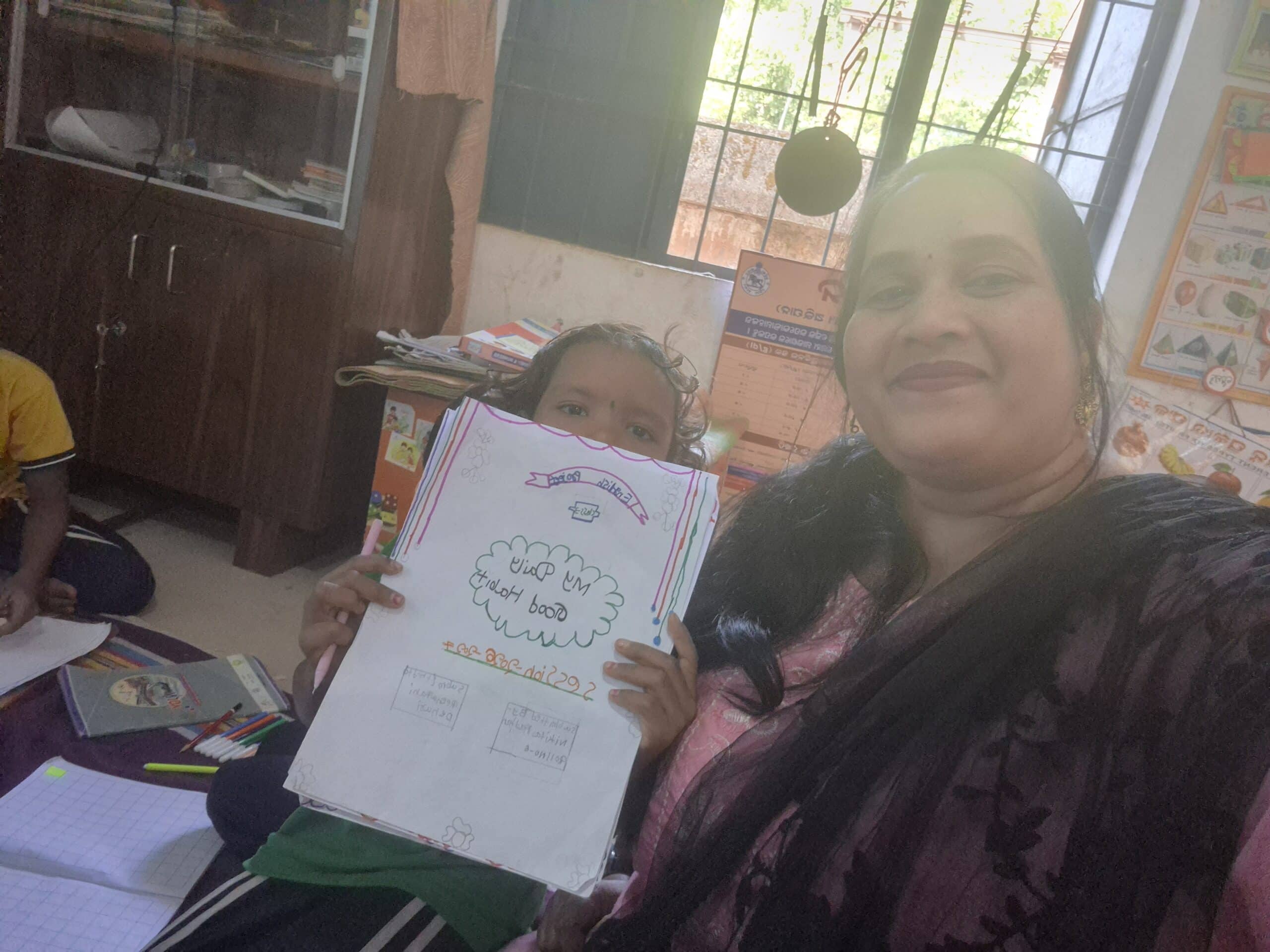
When I say project work, I don’t mean expensive models, beautifully decorated charts, or complicated assignments.
I am talking about simple things.
A toddler making handprints with colours.
A preschool child collecting leaves.
A Class 2 child making a little book of good habits.
A Class 4 child trying to make a cube from paper.
To us, these may look like ordinary activities.
But imagine what is happening in the child’s mind.
The child is observing, choosing, comparing, trying, and discovering.
Sometimes the child fails. Sometimes the paper tears. Sometimes the model refuses to stand.
And then comes another attempt.
Isn’t that learning too?
I feel that children need these little experiences, especially during their early years.
Not every lesson has to begin and end with a textbook.
The Reality Is Not Always Easy
I teach in a small rural school.
And believe me, organising even a simple activity is not always as easy as it looks in pictures or videos.
Sometimes materials are not available. Sometimes children forget to bring things. Sometimes parents are too busy with their daily responsibilities.
And sometimes, despite all our planning, things simply don’t go the way we imagined.
I understand the difficulties of parents.
Many families have their own struggles. For some, arranging coloured paper, glue, or other materials may not be a priority when there are so many responsibilities at home.
I cannot blame them.
But yes, sometimes I do feel a little disappointed when a meaningful activity is considered unnecessary.
Not everyone sees the learning hidden behind a simple handmade project.
Over time, I have learned that instead of expecting everyone to understand immediately, I should try to make activities simpler and more practical.
A few leaves, some old cardboard, seeds, stones, or pieces of paper can often do the job.
Children don’t always need expensive materials. They need opportunities.
And I feel that children in rural schools deserve those opportunities just as much as anyone else.
I Don’t Want Perfect Projects
There is something I really want to share.
Sometimes we adults become so concerned about making a project beautiful that we forget who is supposed to make it.
We straighten every line, correct every colour, rewrite every sentence, and sometimes complete almost the entire project ourselves.
The final result looks wonderful.
But where is the child’s own work?
Personally, I love seeing children’s little mistakes.
A crooked house. An uneven flower. A paper cube that is not perfectly shaped.
These imperfections tell me that a child has tried.
Of course, children need guidance. Younger children especially need help and supervision.
But I want them to do whatever they can on their own.
I want them to feel the happiness of completing something, even if it is not perfect.
A simple project made by a child is more precious to me than a perfect project made entirely by an adult.
And What About Our Little Toddlers?
Sometimes people ask why such young children need projects at all.
But for toddlers, a project doesn’t mean homework.
It can simply mean playing and learning together.
Imagine a three-year-old carefully sticking colourful paper shapes onto a sheet.
The child may not know words like fine motor skills or hand-eye coordination.
But through that little activity, the child is practising both.
A child collecting leaves may begin noticing their colours, shapes, and sizes.
A child sorting toys may begin recognising similarities and differences.
These are simple beginnings.
I feel that at this age, we should give children more opportunities to explore and fewer reasons to worry about being correct.
Let them enjoy the activity.
Let them make a little mess.
Let them discover things in their own way, with safe materials and gentle guidance.
Childhood should have room for such experiences.
A Little Creativity in My Multi-Class Classroom
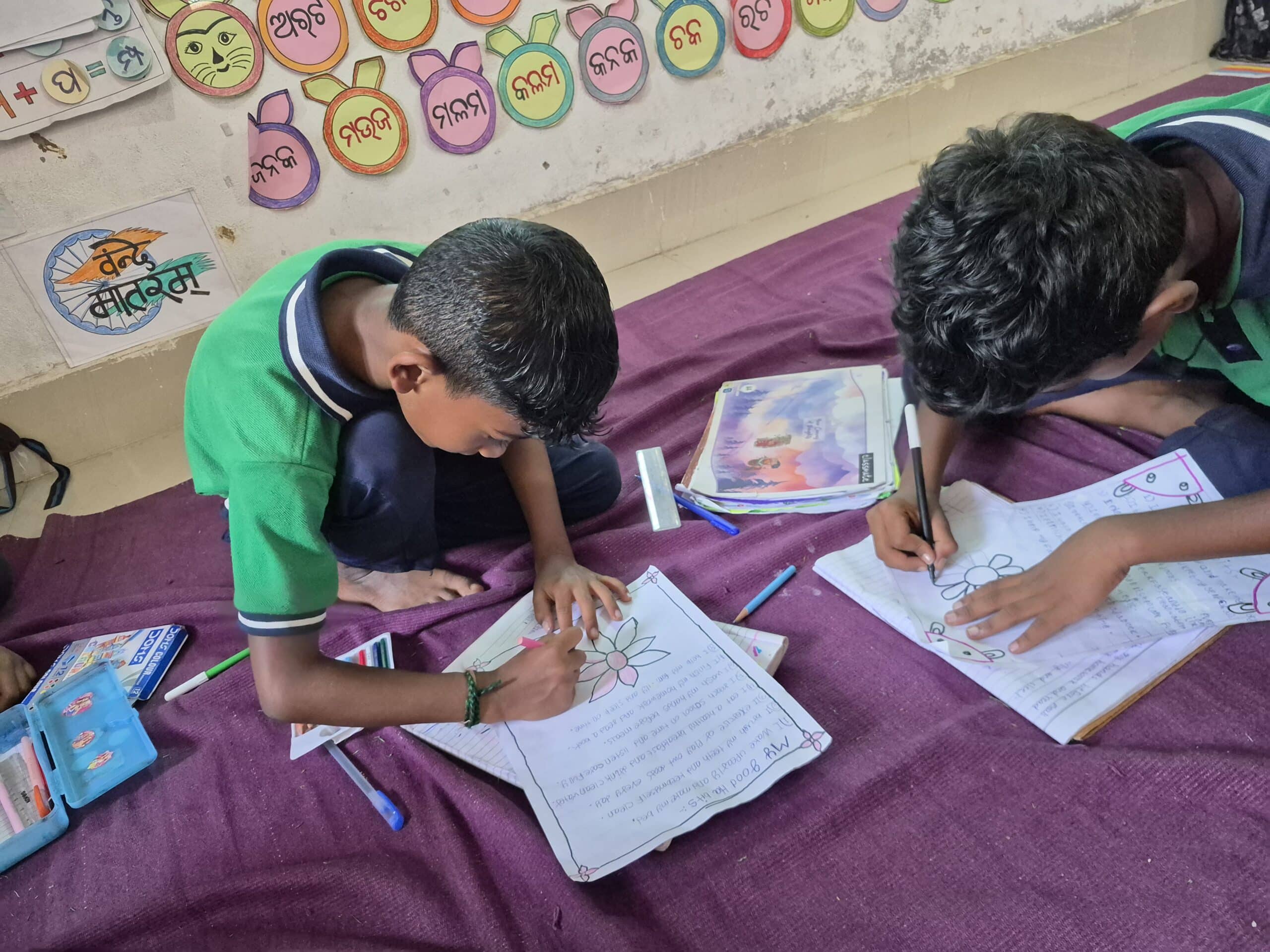
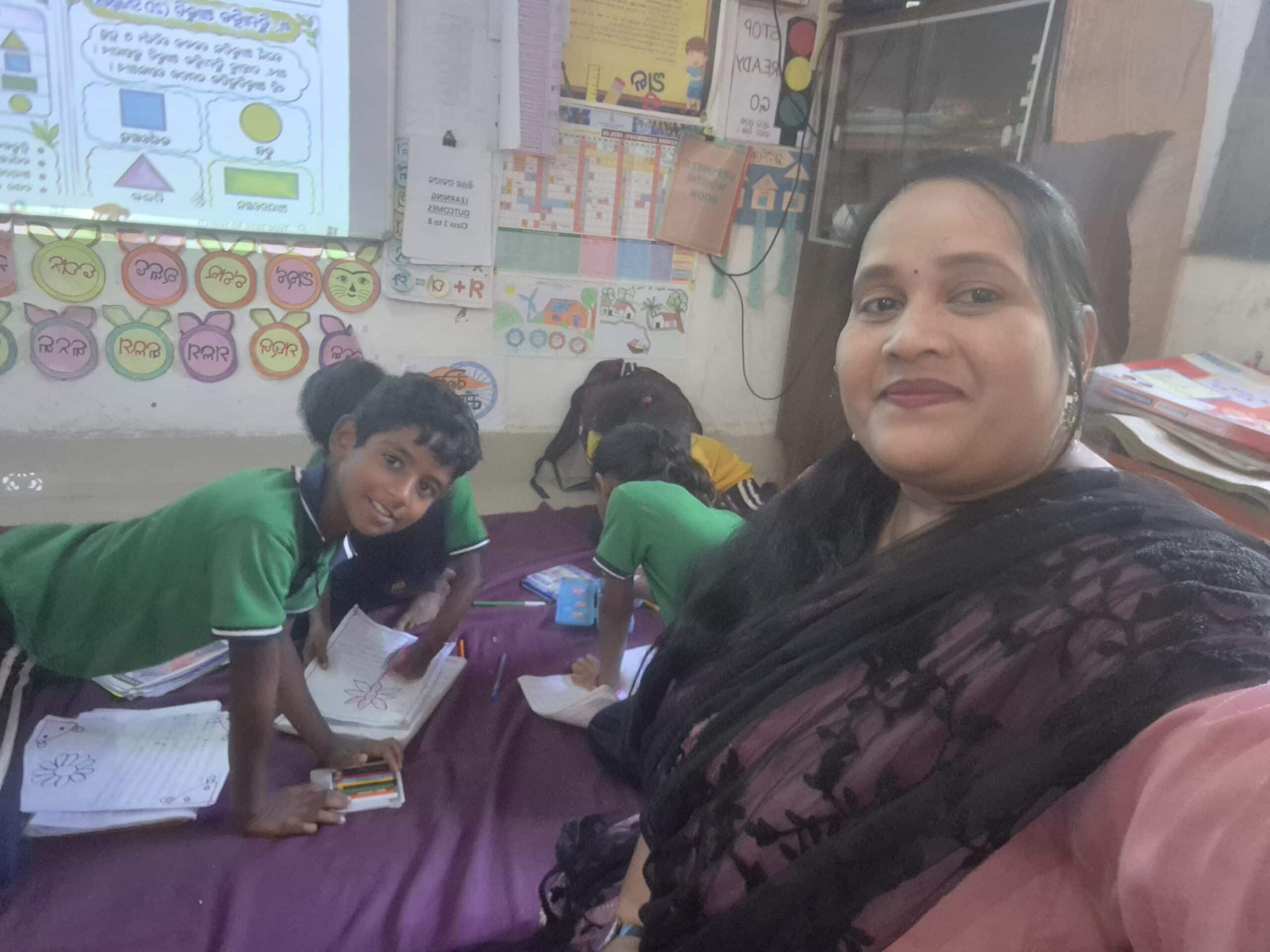
Teaching different classes together is another interesting part of my journey.
It is not always easy to manage children of different ages and learning levels at the same time.
But sometimes one simple activity can bring everyone together.
Take the topic of plants, for example.
Younger children can draw a plant or identify its parts.
Older children can observe different plants, compare them, or write a few sentences.
Everyone is working around the same topic, but each child is learning at a different level.
I also enjoy using digital resources to make lessons interesting.
A picture, video, or interactive lesson can help introduce a concept. But I feel even happier when children get a chance to try something with their own hands afterwards.
I don’t think every chapter needs a project.
We already have so much to manage in school.
But whenever a small activity can help children understand something better, I feel it is worth trying.
Sometimes I Wonder, Is All This Extra Effort Worth It?
There are days when teaching feels tiring.
Lessons to prepare. Notebooks to check. Records to maintain. Different learning needs to manage.
And then there is the additional effort of preparing materials for an activity.
Sometimes I ask myself whether I am making things unnecessarily difficult.
Wouldn’t it be easier to explain the lesson, ask children to write the answers, and move on?
Perhaps it would.
But then I imagine a child trying to make something for the first time.
The excitement of discovering how it works.
The happiness of showing it to friends.
The confidence of explaining it to the teacher.
And I remember why I wanted to organise the activity in the first place.
I am not saying every project becomes a wonderful experience.
Some activities fail. Some children lose interest. Sometimes we run out of time.
That is part of teaching too.
But I don’t want those difficulties to stop me from trying.
A Small Dream Close to My Heart
Over time, these experiences have inspired another little dream.
I want to create a collection of simple project ideas for children, from toddlers to Class 7.
Not complicated projects that parents have to complete.
Not expensive models that look beautiful but teach very little.
I want projects that children can actually enjoy making.
Some may involve drawing, writing, or collecting information. Others may include shapes, maps, experiments, observations, or simple models.
I also want to make them available in English and Odia through my website, Explore & Learn with Reena.
I hope these resources will make things a little easier for teachers and parents, especially those looking for affordable and practical learning activities.
It is still a dream I am working towards, one small step at a time.
And perhaps that is how most meaningful things begin.
What I Really Want My Children to Remember
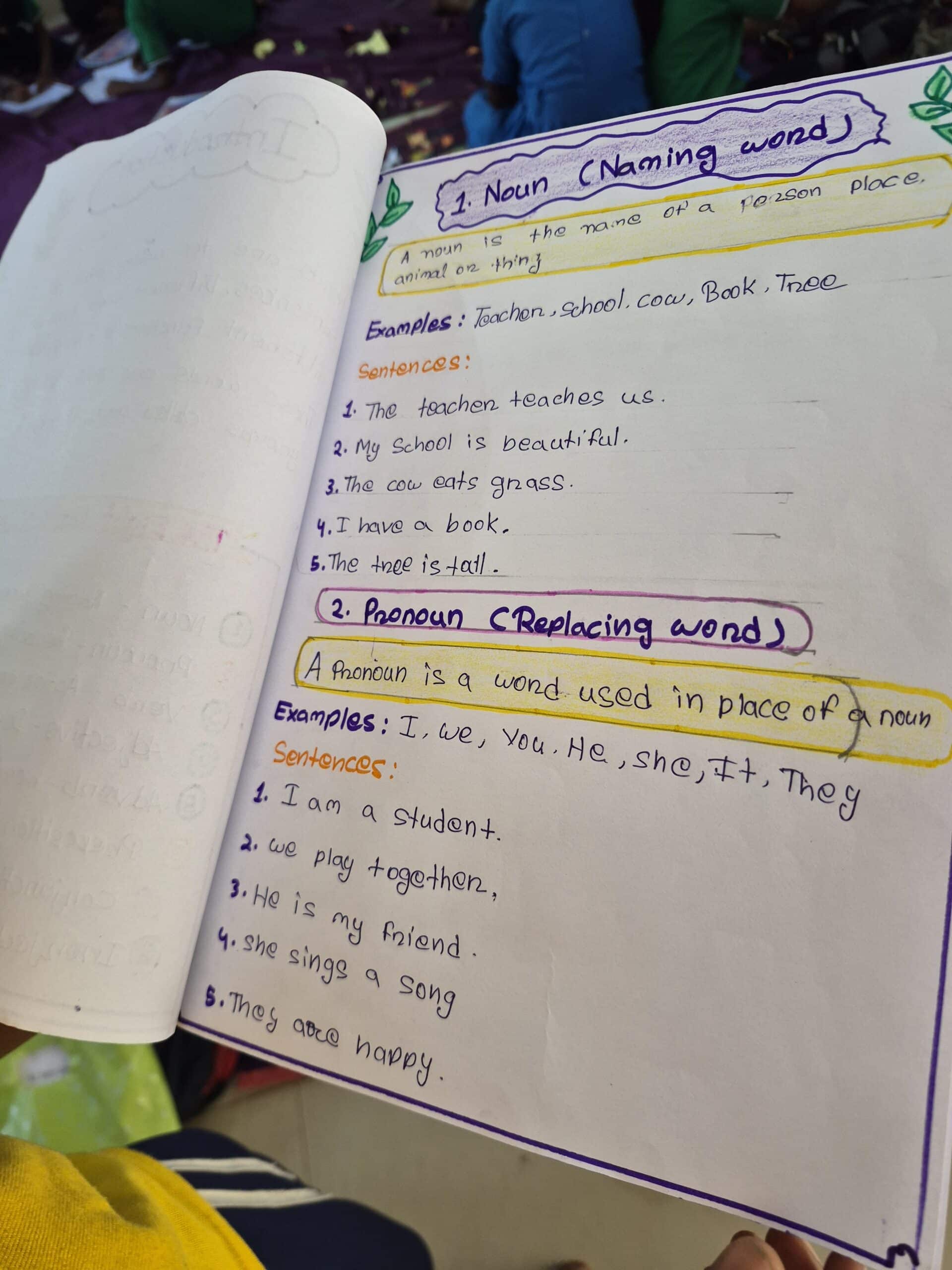
After so many years of teaching, I have understood that children may not remember every answer we teach them.
They may forget a definition.
They may forget the exact words written on the blackboard.
But sometimes they remember the little experiences.
The first seed they planted.
The paper boat they made.
The colourful chart they prepared with friends.
The day they stood in front of the class and explained something they had created.
I want my students to read well, write confidently, and develop strong mathematical skills.
But I also want them to be curious.
To ask questions.
To try something new.
To make mistakes without fear.
And to believe that their own ideas matter.
Maybe that is why I still love these small classroom activities, even when organising them is not easy.
Because at the end of the day, teaching is not only about finishing lessons.
It is also about creating little moments that make children love learning.
And when a child comes running to me, holding a slightly crooked handmade project, and says,
“Guruma, look! I made this myself!”
I don’t see an imperfect project.
I see effort.
I see confidence.
I see happiness.
And somewhere in that little smile, I find my own happiness as a teacher.
Perhaps that is the real beauty of project work.
From my classroom experiences and little reflections as a primary school teacher.
Reena Rani Dehuri
Explore & Learn with Reena
reenaranidehuri.com
Explore More Project Work
Explore Project Products · Optional material ideas for parents.
View Project Documents · Find school projects and their available documents.
Find class-wise project ideas and sample work in our Project Work Corner. Also read a teacher’s experience, a parent’s guide, and a child-friendly project guide.
Materials: Start with reused cardboard, paper, pencils and safe household items. Optional shopping resources will be added only after affiliate links are verified.