
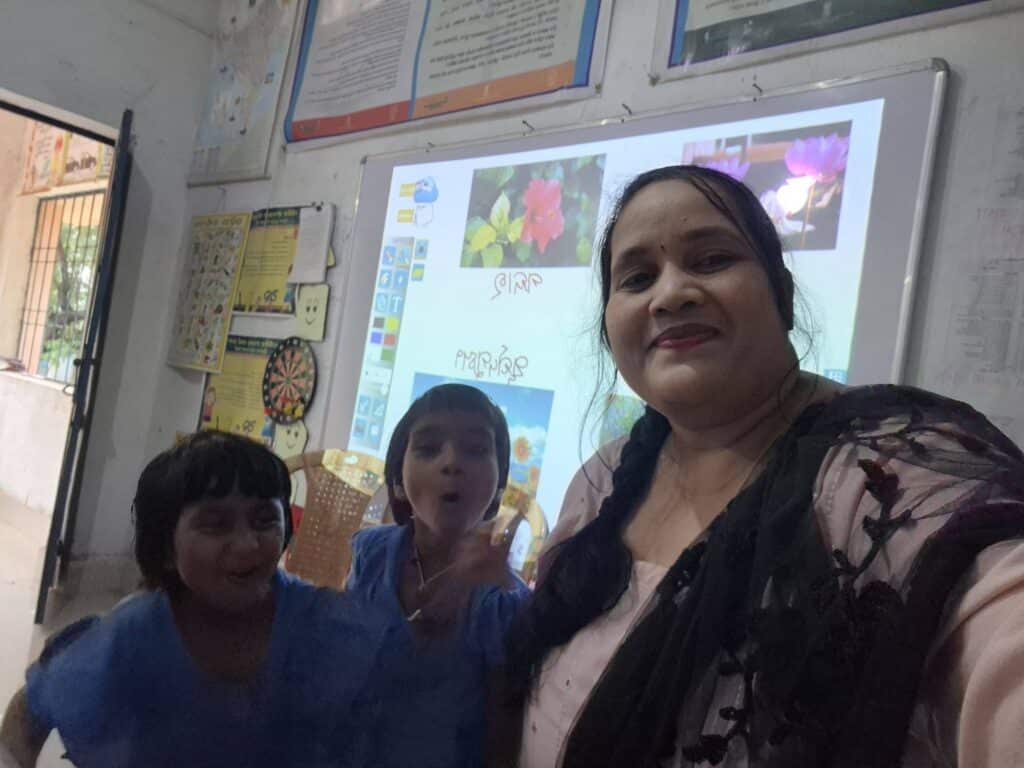
My personal experience with low student strength, interactive smart classroom activities, and the everyday realities of rural school teaching.
A New School, A Different Teaching Experience
After spending nearly twenty years in the teaching profession, I never imagined that teaching in a classroom with only a few children would be such a different experience.
Recently, I joined a small government primary school in a remote rural area of Odisha. The environment here is quite different from my previous teaching experiences, especially when it comes to student strength.
I have always enjoyed being surrounded by children, listening to their conversations, answering their questions, preparing teaching-learning materials, and organising creative classroom activities.
But when the number of students is very low, the classroom atmosphere changes completely.
Sometimes, even after preparing an interesting lesson, I find myself wondering how to keep both my little learners and myself energetic and motivated throughout the day.
And believe me, it is not always easy!
I am gradually adjusting to this new environment, discovering its challenges, and finding happiness in small classroom moments.
When Only Two Little Learners Are Present
Let me share a recent classroom experience.
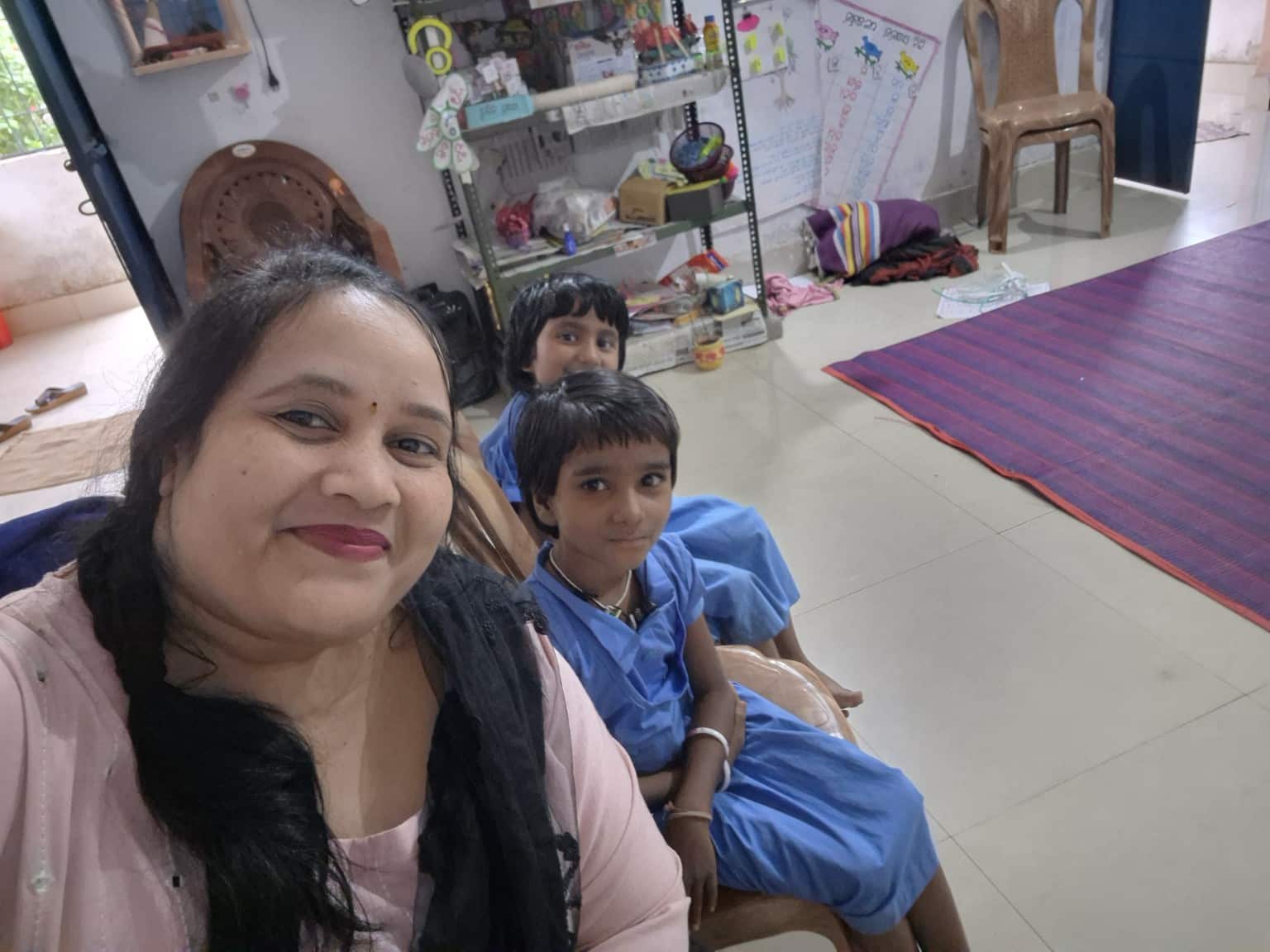
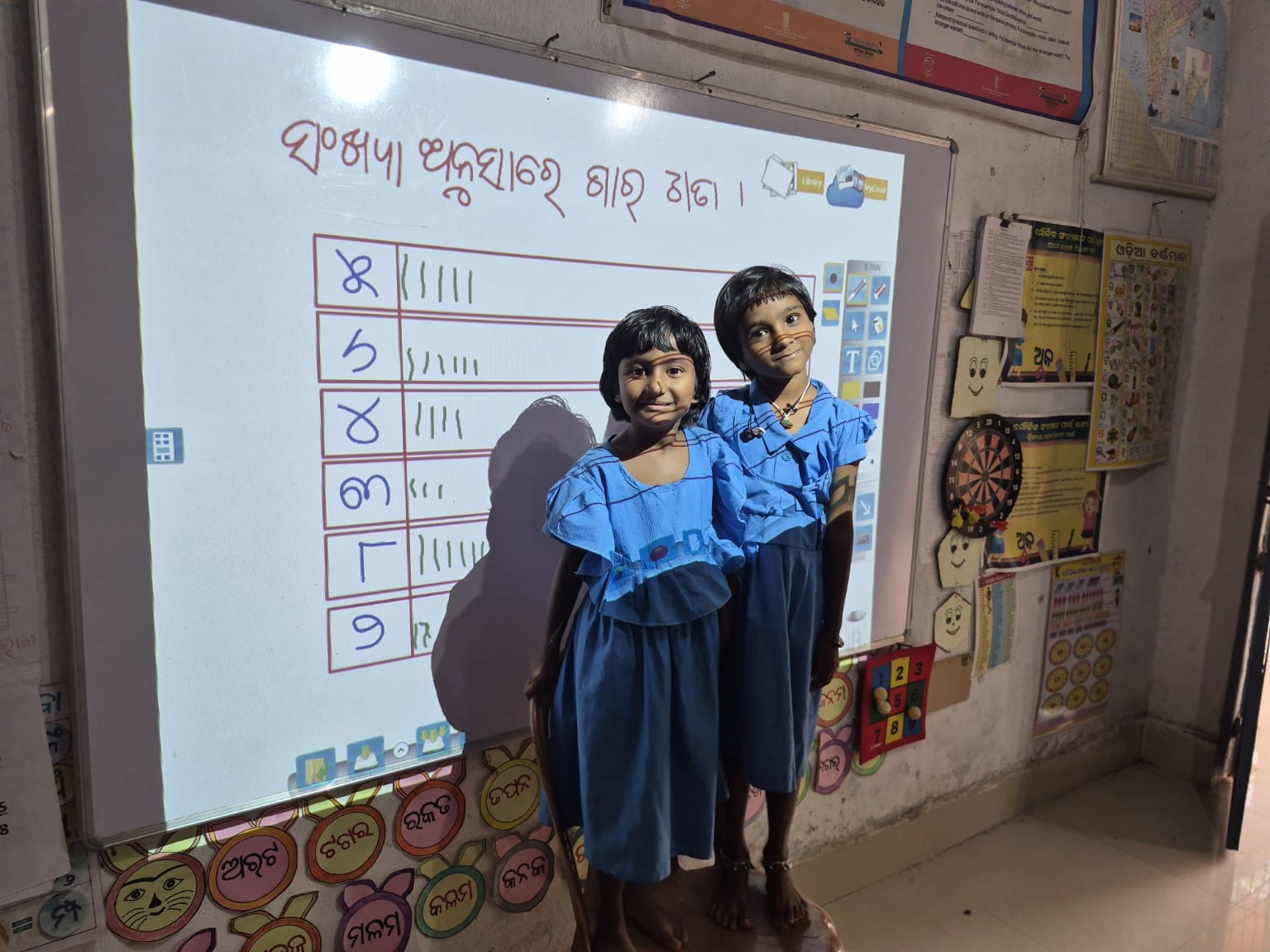
That day, only two out of my four little learners, from Sishu Vatika to Class 2, were present.
Just two!
In a classroom with thirty or forty students, the absence of two children may hardly be noticed. But when you have only four little learners, even one or two being absent makes the classroom feel unusually quiet.
We had a long two-hour session, from 2 PM to 4 PM.
And I was wondering how to keep these two little children engaged for such a long period.
Young children cannot sit quietly and listen to explanations continuously. They need different activities, conversations, movement, and opportunities to explore.
Moreover, children from Sishu Vatika and Class 2 have different learning needs. What interests one child may not necessarily interest another.
So, managing even two children can sometimes require careful planning.
But fortunately, something in our classroom made that day much more interesting.
Our smart projector!
Our Smart Projector: More Than Just Watching Videos!
Thank God, our smart projector is working!
And of course, anyone who knows me knows how much I love digital things!
I enjoy exploring educational technology, preparing PowerPoint presentations, designing worksheets, creating digital teaching-learning materials, and trying new ideas.
Sometimes, I feel I am more excited about digital activities than my students!
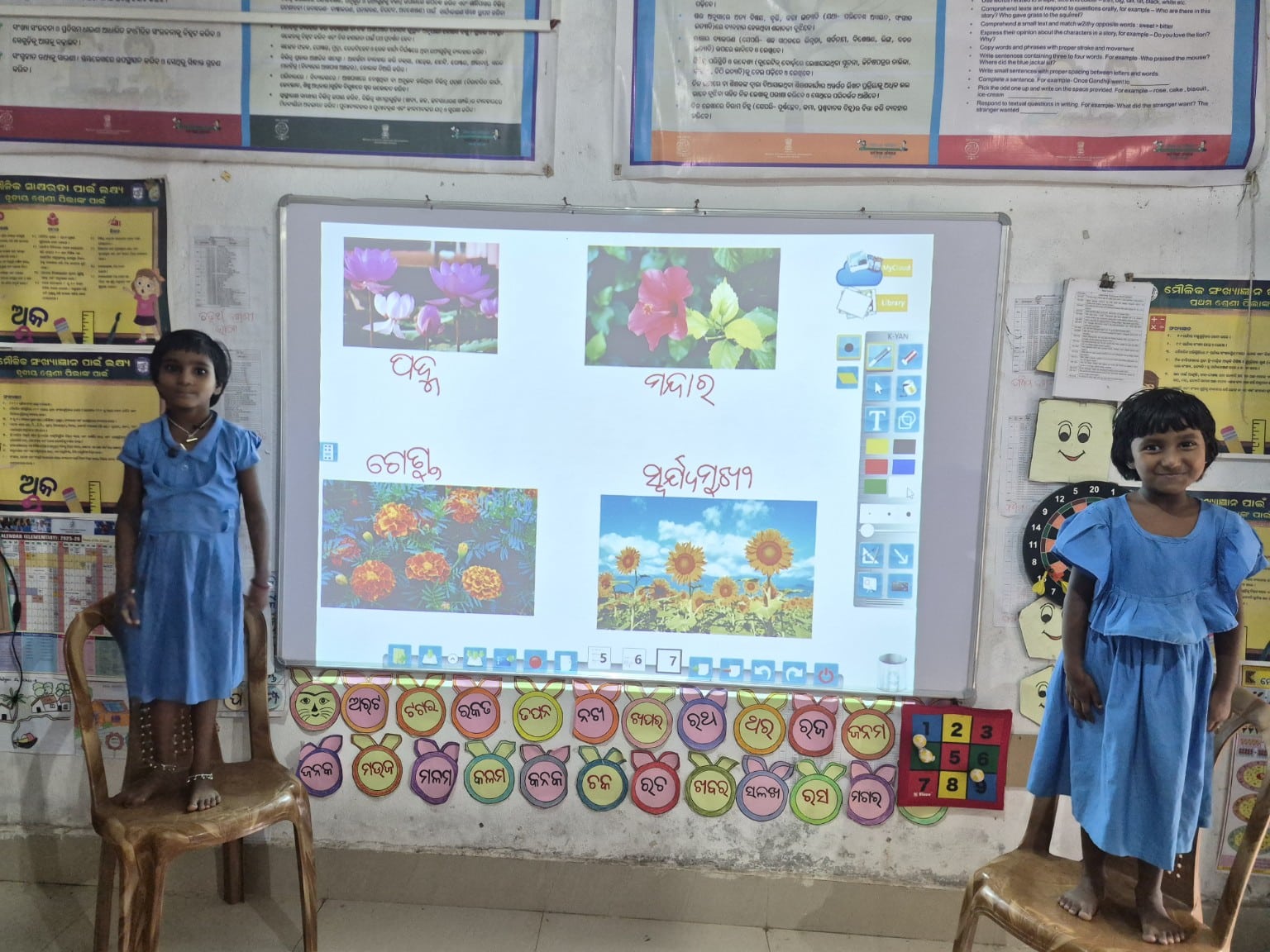
One thing I particularly love about our smart projector is that it is not limited to displaying educational videos or pictures.
It also works like an interactive smart board!
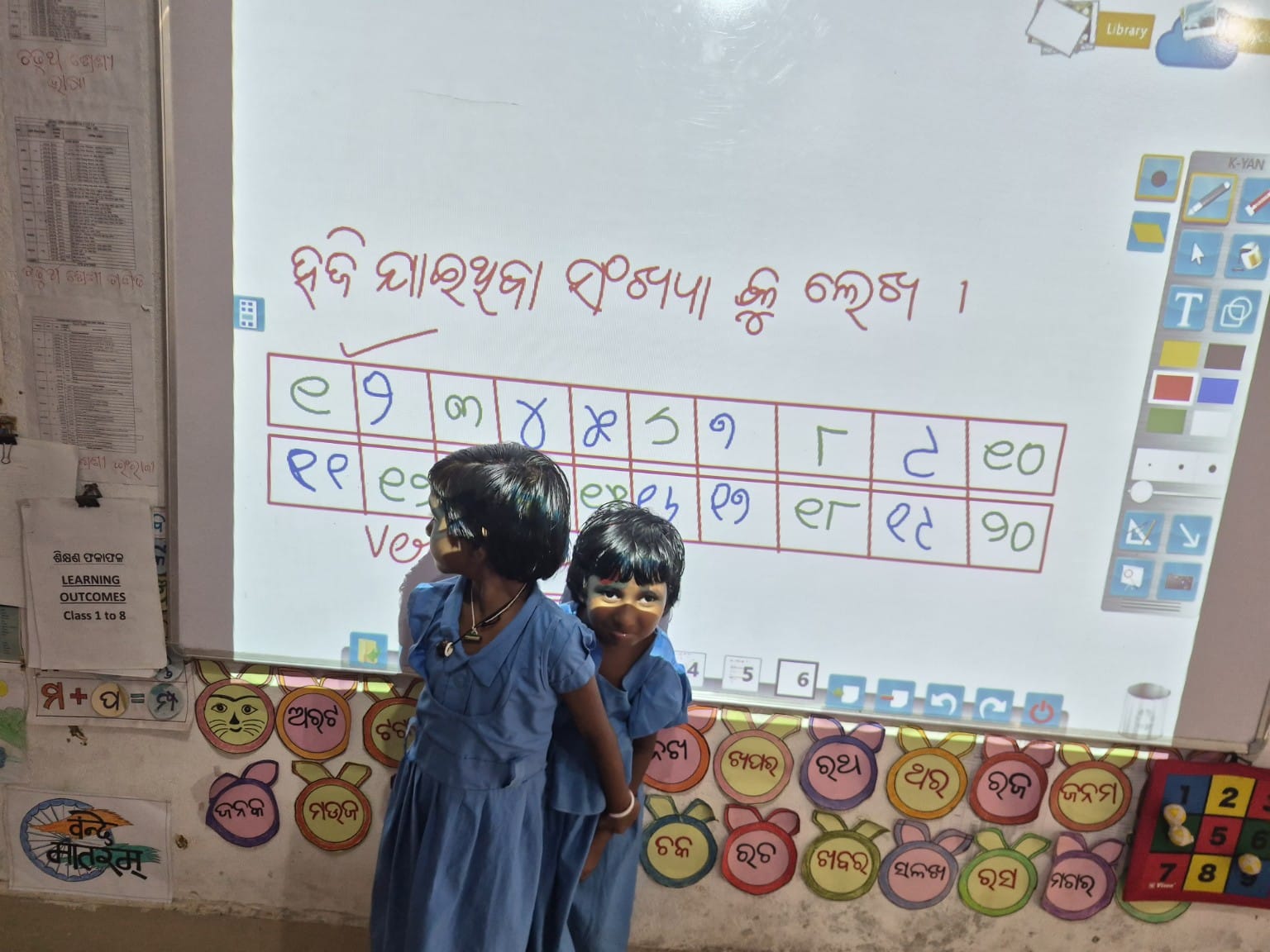
Children can use a digital pen to write and practise directly on the screen.
For little learners, this makes the experience much more interesting.
Instead of only watching something on the screen, they get an opportunity to participate in the activity themselves.
They can practise writing letters and numbers, draw shapes, and respond to simple learning tasks using the digital pen.
For young children, even the opportunity to come forward and write on a digital screen can create excitement.
And I enjoy watching their participation.
Of course, I also love using it myself!
For me, this is one of the most enjoyable parts of digital teaching. Technology is not simply displaying information; it is allowing children to interact with learning materials.
Two Hours Passed Without Even Realising It!
Coming back to that particular day.
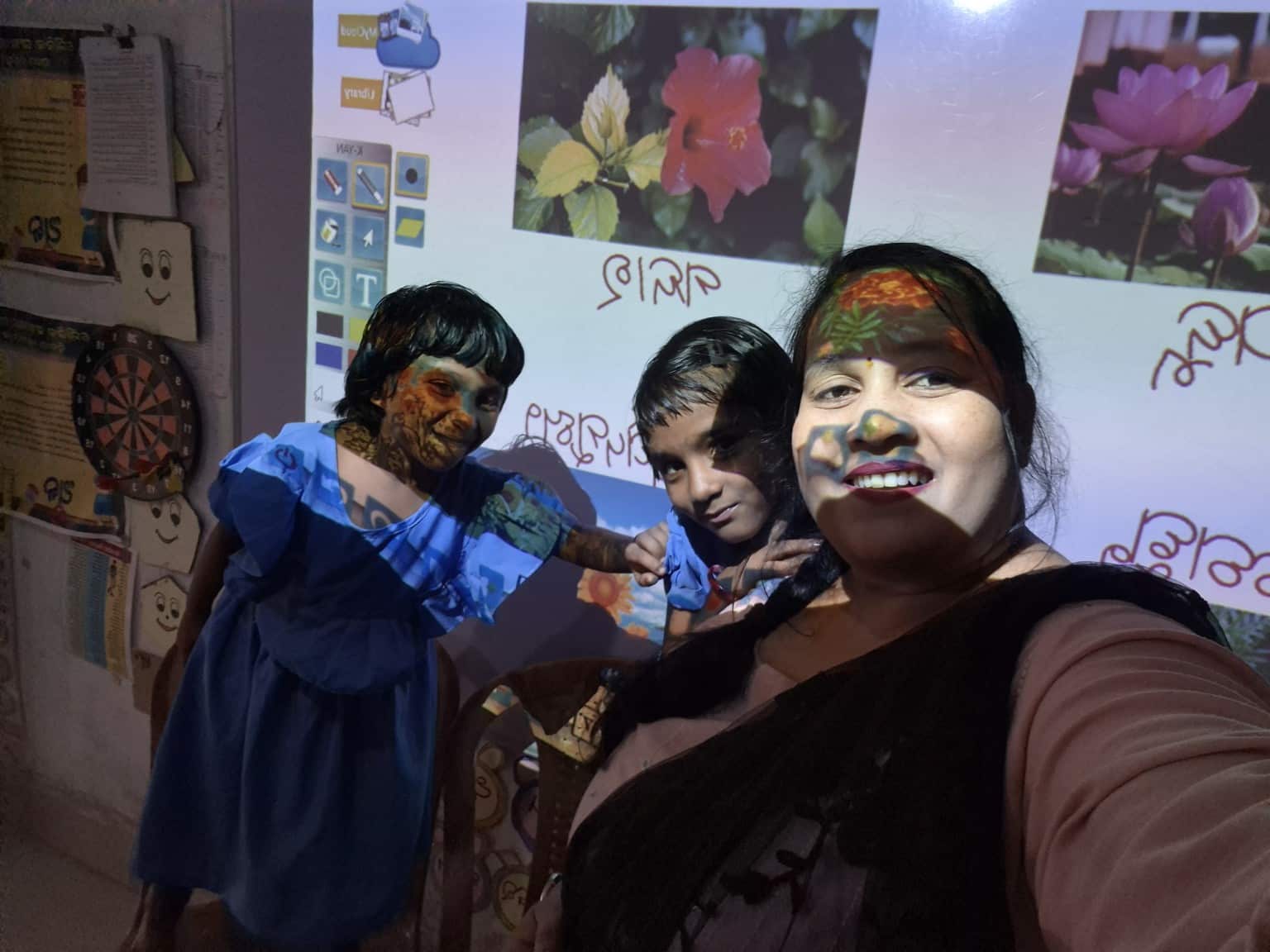
With only two children present, I decided to make use of our smart projector to keep the session interesting.
We explored digital learning activities, interacted with the learning materials, and continued our classroom conversations.
The interactive features made the session more engaging.
The children were involved, and so was I.
Sometimes, I was explaining something. Sometimes, they were responding. And sometimes, we were simply enjoying the activity together.
I became so involved in the session that I almost forgot about the time.
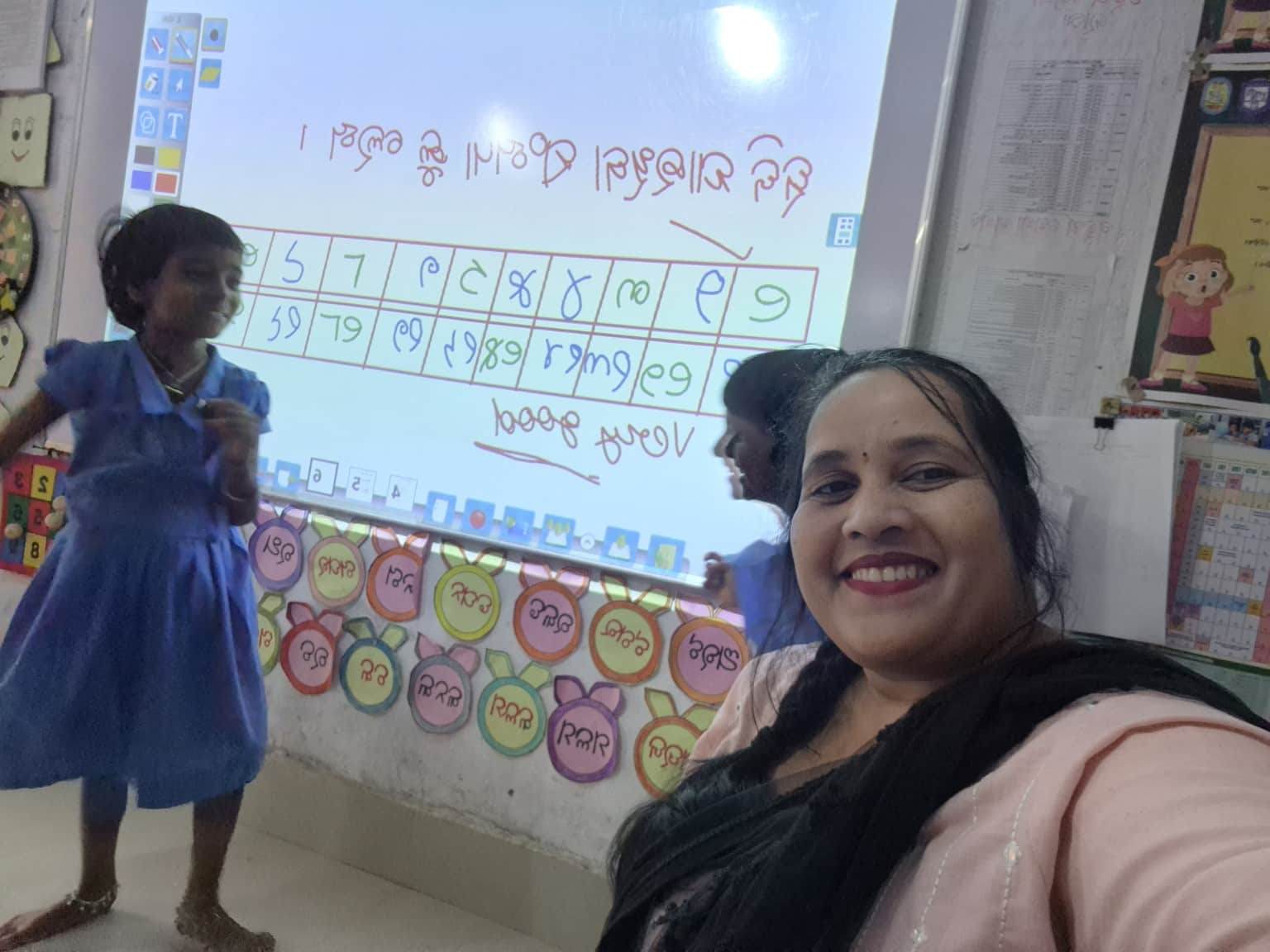
And suddenly, it was 4 PM!
I didn’t even realise how those two hours flew by!
That was probably the most satisfying part of the day.
Not because we had done something extraordinary or completed a huge amount of syllabus, but because we had managed to make those two hours interesting.
When there are only two children in a classroom, keeping them engaged throughout a long session can be challenging.
But that day, digital learning helped us enjoy the time together.
And I returned from school with another small classroom experience worth remembering.
Small Student Strength Doesn’t Always Mean Easy Teaching
People sometimes think that teaching in a school with very few students must be easy.
Fewer children, fewer notebooks, and less classroom noise!
Yes, there are certain advantages.
I can give individual attention to every child, observe their learning difficulties more closely, and spend additional time supporting them.
But small student strength also brings its own challenges.
Group activities become difficult when only one or two children are present. Peer learning opportunities are limited, and maintaining an active classroom environment requires continuous effort.
Sometimes, I prepare an activity expecting several children, but attendance changes the entire plan.
Another challenge is teaching children from different classes together.
A Sishu Vatika child may be learning to recognise letters, colours, and numbers, while a Class 2 child may be practising reading, writing, and basic mathematics.
Their learning needs are different, even though they may be sitting in the same classroom.
So, I have to modify activities according to their levels.
Sometimes, a common picture or digital activity can be used for different learning outcomes. A younger child may identify objects, while an older child may count them or describe them in simple sentences.
I am still exploring how to manage such situations more effectively.
And after so many years of teaching, this small classroom is making me think differently about teaching methods.
Digital Learning Is Helpful, But It Is Not Everything
Although I love digital learning, I do not believe that every classroom activity needs technology.
Young children need real experiences too.
They need to touch, observe, draw, play, talk, and explore their surroundings.
A smart projector can make a lesson interesting, but simple teaching-learning materials are equally important.
In a rural school, we have many useful resources around us.
Leaves, flowers, seeds, stones, sticks, and familiar objects can become wonderful learning materials.
For example, children can practise counting with stones after completing a digital counting activity.
They can observe real leaves after identifying their shapes on the smart board.
Or they can practise writing letters in their notebooks after using the digital pen.
I feel that combining digital learning with hands-on activities can make classroom experiences more meaningful.
And as a teacher, I enjoy experimenting with both.
Finding Little Joys in My Small Classroom
Despite the challenges, my present school is gradually teaching me to appreciate little things.
A child recognising a letter independently.
A little learner answering a question confidently.
The excitement of using a digital pen.
A smile after completing an activity.
Or simply watching two children remain happily engaged in a classroom session.
These are small moments, but they make a difference.
Sometimes, I miss the energy of a classroom full of children. Sometimes, I feel disappointed when attendance is very low.
And sometimes, I struggle to keep myself motivated.
But then there are days like that two-hour session, when everything feels a little more interesting.
I am not saying that digital learning can solve every problem in a small rural school.
It certainly cannot.
But having a functional smart projector, along with my interest in creating educational materials, has helped me find new ways to engage my little learners.
And perhaps it is helping me stay engaged too!
Still Teaching, Still Creating, and Still Learning
After nearly twenty years in the teaching profession, I am still learning.
My present school has a different environment, different challenges, and a very small group of learners.
But it is also giving me opportunities to experiment with new ideas, explore digital learning, and improve my teaching methods.
Not every day in my small classroom is exciting. Not every activity works as planned. And sometimes, keeping myself motivated is just as challenging as keeping my little learners engaged.
But then there are days like that afternoon, when only two children were present, and a long two-hour period passed before I even realised it.
And perhaps, these are the little moments that make my teaching journey special.
Small classroom, little learners, many challenges, and a few beautiful moments worth remembering.
Still teaching, still creating, and still learning.