Practical ideas for learning and growing together.
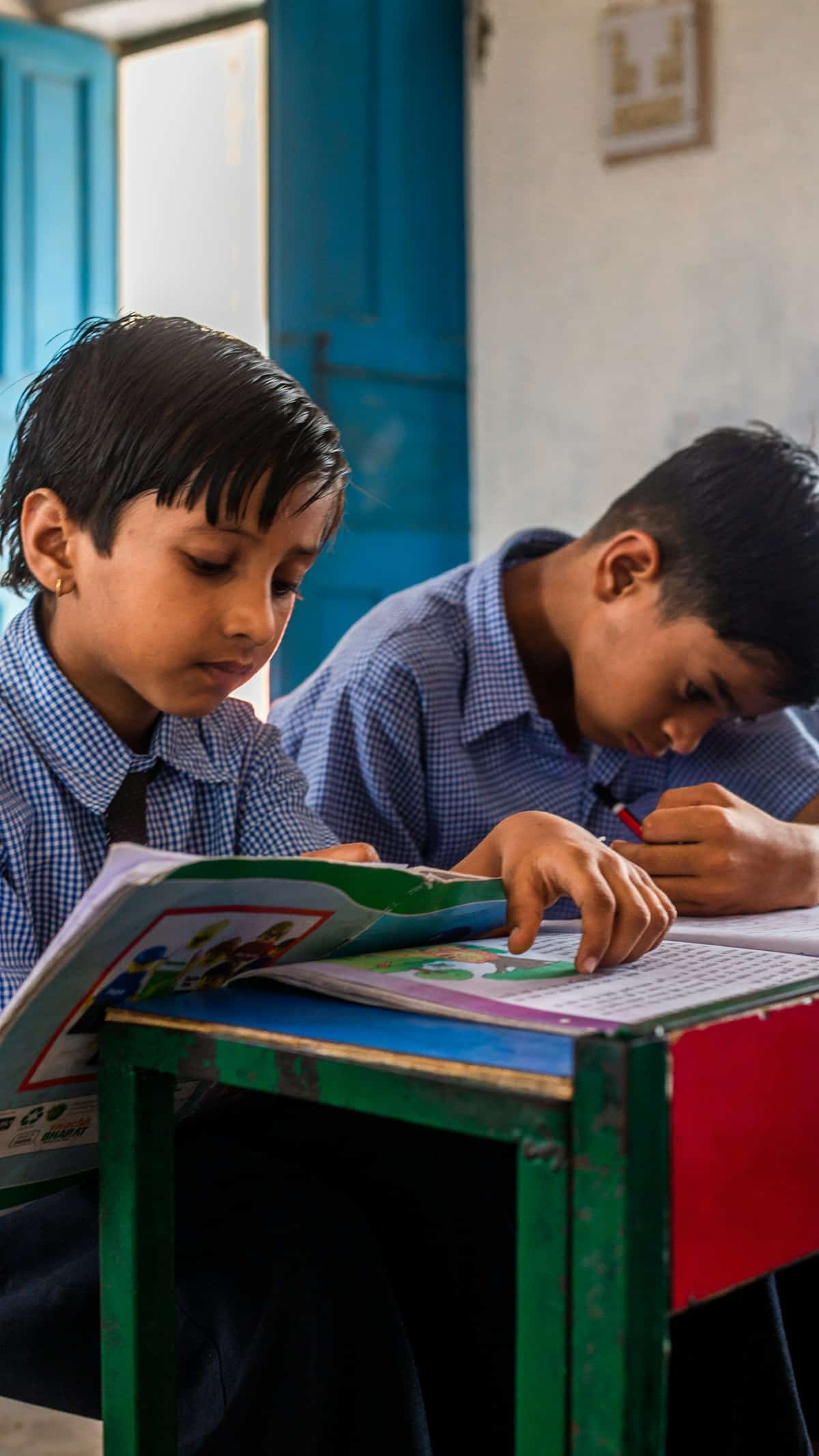
Explore more ways to support learning at home.
Learn with Confidence: Mistakes Are Part of Learning
A child who is afraid of giving a wrong answer may stop asking questions. At home, we can show that mistakes are information about what to practise next, not proof that a child is incapable.
Change the Words We Use
Instead of saying ‘You always get this wrong,’ try ‘Show me how you thought about it.’ Replace ‘This is easy’ with ‘Let’s try one step together.’ Small changes in language can make learning feel safer.
Praise the Process
Notice strategies: ‘You checked your answer,’ ‘You tried another way,’ or ‘You asked a good question.’ This encourages persistence without making children feel they must always succeed.
Use Everyday Learning Moments
Cooking, sorting clothes and shopping offer opportunities for counting, estimating and describing. When an answer is incorrect, model checking it together rather than immediately correcting the child.
Respond Calmly to School Results
A score is one piece of information, not a child’s identity. Ask what was difficult, identify one skill to practise and agree on a manageable plan. Celebrate improvement, including small steps.
Work with Teachers
If your child regularly avoids tasks, becomes distressed or seems stuck, speak with their teacher. Sharing observations helps adults provide consistent support and recognise when extra assistance may be useful.
Explore more learning resources at Reena Rani Dehuri.